The Viziit journal
Authentic Corsica: exploring Ajaccio and the Taravo Valley
From Ajaccio to Filitosa, from Lake Tolla to Porto Pollo: an itinerary between history, producers, mountains, and the Mediterranean.
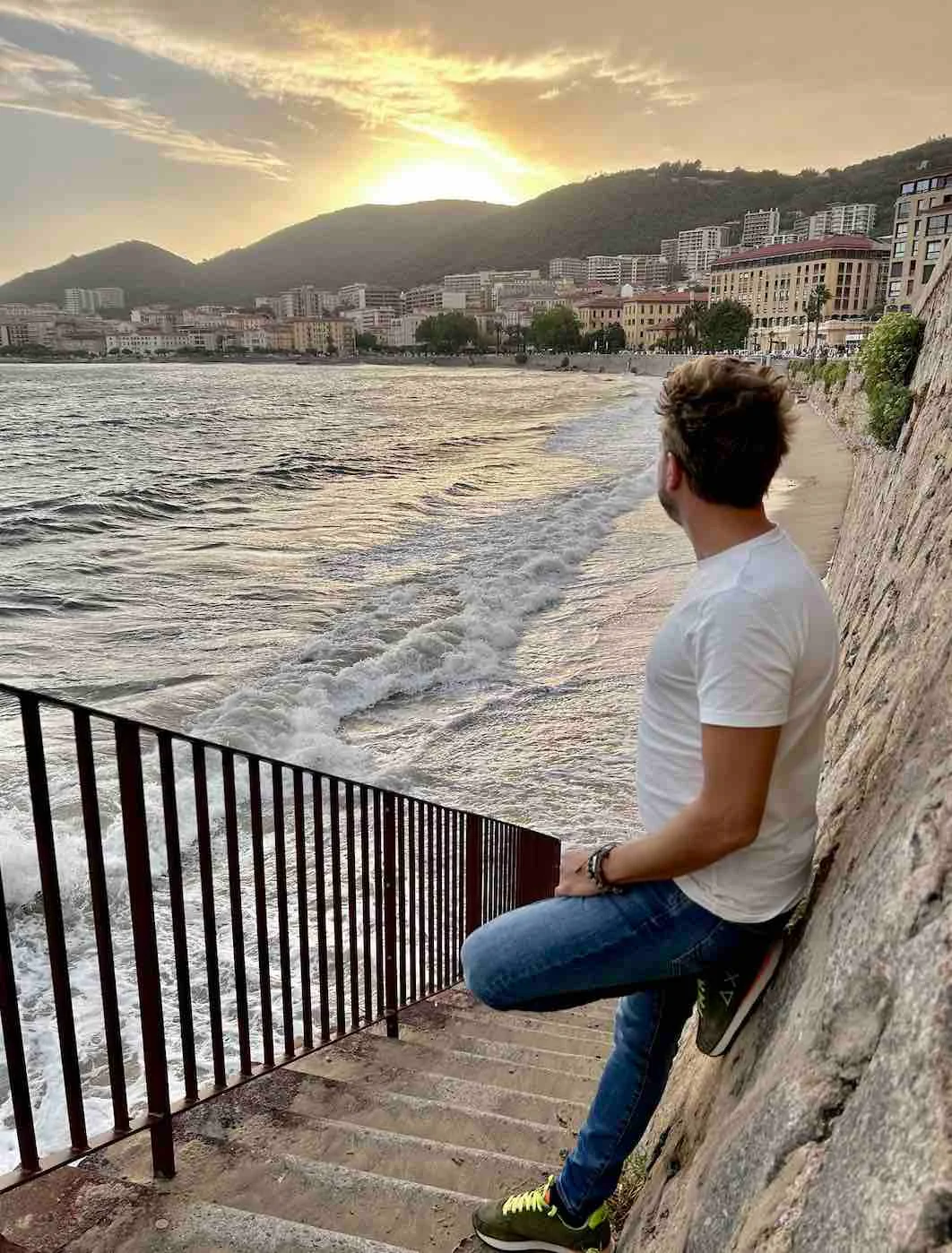
Around Ajaccio, Corsica changes face with every turn. The city looks out over the Mediterranean, the roads quickly climb into the maquis and the hills, then descend again toward the beaches of the Gulf of Valinco. This itinerary links heritage, producers and outdoor activities without trying to sum up the whole island.
Ajaccio, your first encounter with Corsica
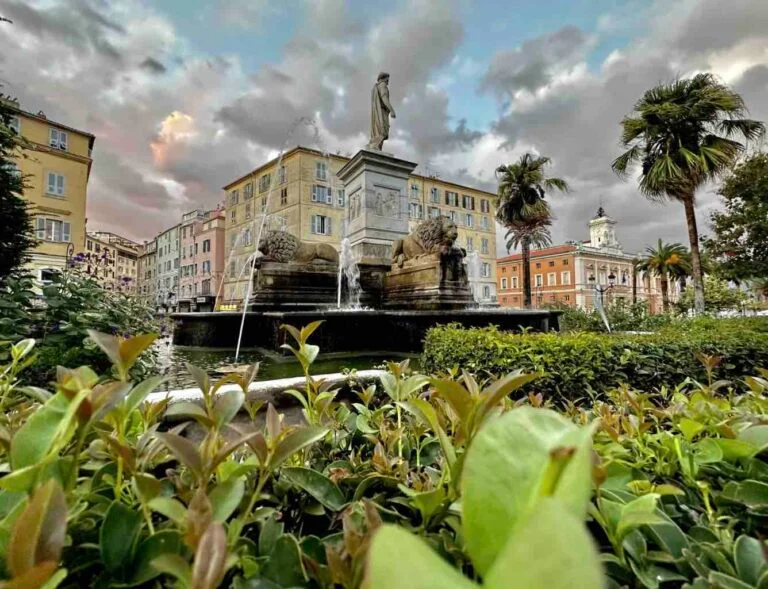
Ajaccio is easily explored on foot between the port, the old lanes, the citadel and the seafront. Napoleon Bonaparte's birthplace preserves several places linked to the imperial family, including the Maison Bonaparte, while remaining deeply focused on its gulf.
Place Foch, the markets and the terraces set the pace. Rather than ticking off monuments, it is worth allowing time for detours and for the light, especially at the end of the day when the facades and the bay take on warm tones.
Sleep facing the citadel
Located near the ramparts and the old Tino-Rossi port, the Hotel San Carlu offers a central base for exploring Ajaccio. Its location makes it easy to reach the main sites on foot and to get back to the sea first thing in the morning.
The view is one of its real assets: depending on the room or space chosen, the outlook may extend toward the citadel, the port or the gulf. As categories and amenities vary, it is useful to check the exact layout when booking.
The fish market, Ajaccio's lively side
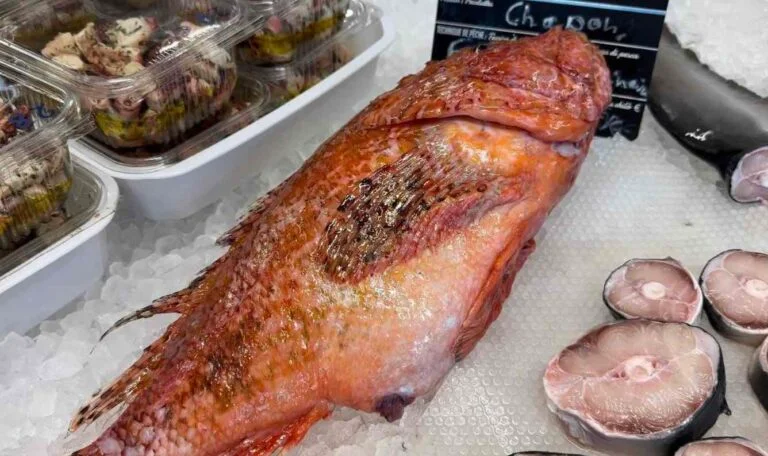
The fish hall tells the city's story in a different way. The stalls follow the arrivals, the seasons and the weather; people come here as much to choose a fish as to listen to cooking advice.
This closeness to the fishermen puts gastronomy back in its environment. Scorpionfish, dentex or rock fish do not necessarily require a complicated recipe: simple cooking is often enough to respect the product.
Filitosa, eight millennia of history
In the Taravo valley, the prehistoric site of Filitosa brings together statue-menhirs, monuments and remains covering around 8 000 years of human presence. Discovered in 1946 and then excavated over two decades, it is a major site of Corsican prehistory.
The route crosses a landscape of olive trees and rocks where the works remain connected to their surroundings. The site's appeal lies as much in its anthropomorphic sculptures as in the questions that remain open about the societies that created them.
Honey and wine in the hills above Ajaccio
In Ocana, the Garden of Bees offers an introduction to beekeeping through plants, the forest and the work of the hives. Tasting makes more sense after understanding how the maquis and the seasons shape the different honeys.
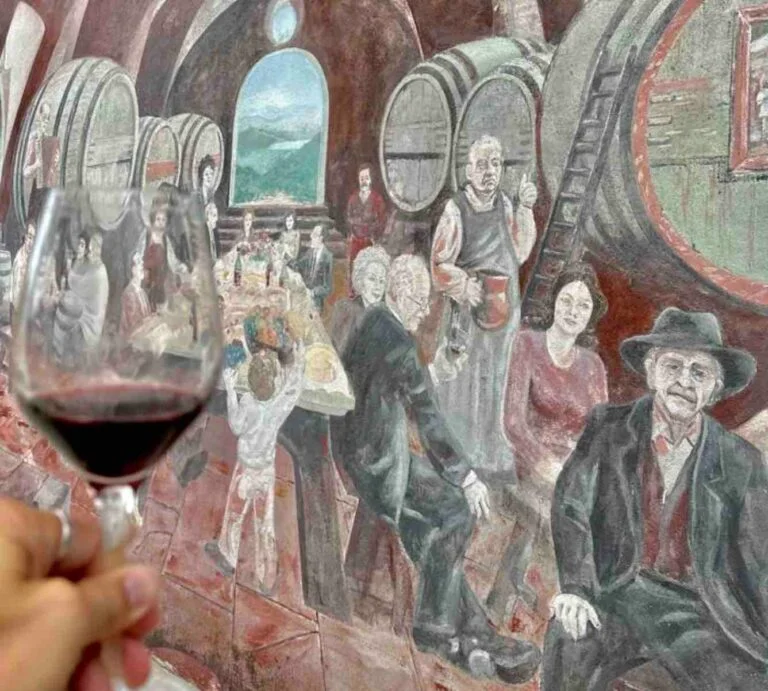
On the slopes of Mezzavia, Ajaccio's wine estates work with island grape varieties in a landscape opening onto the mountains. A tasting at Domaine Comte Peraldi provides insight into the terroir, provided you book in advance and arrange for a non-drinking driver.
Gain height at Lake Tolla
Inland, Lake Tolla and the Prunelli gorges offer a setting radically different from the coast. The via ferrata allows you to move along the rock with cables, rungs and footbridges, with wide views over the valley.
The activity remains demanding: helmet, harness, suitable lanyards and professional guidance are essential for a first experience. Wind, heat and the condition of the route must also be taken into account before setting off.
Porto Pollo and the lower Taravo valley
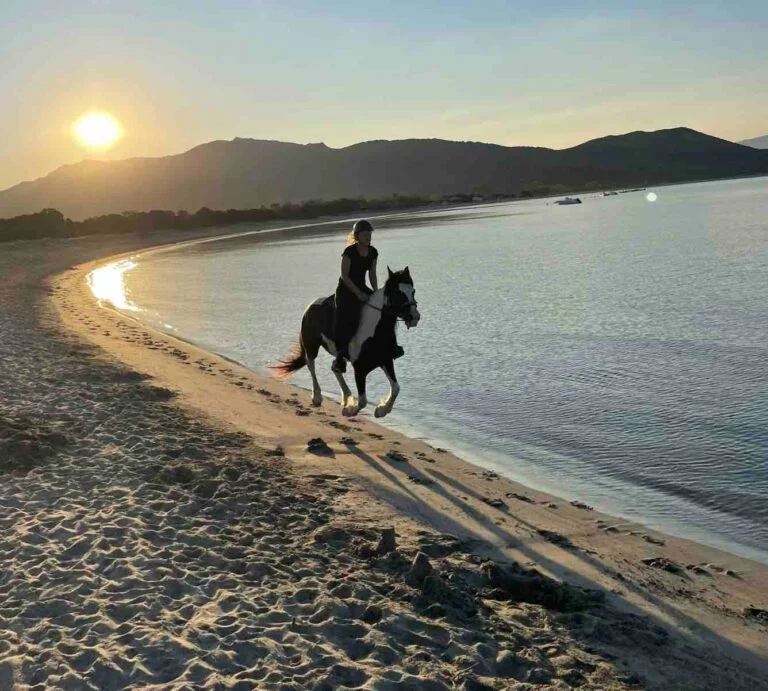
Porto Pollo offers a gentler break between beach, wetlands and maquis-covered hills. The area makes it possible to explore Cupabia, Campomoro and the landscapes of the lower Taravo valley.
A horseback ride offers a different pace. Guided by someone who knows the terrain, it links paths, olive groves and shoreline while respecting the natural areas and the riders' level.
End facing the Sanguinaires Islands
To the west of the Gulf of Ajaccio, the Sanguinaires Islands form an archipelago of four islets facing the Parata peninsula. The site, included in the Natura 2000 network and the Grand Site of France, protects remarkable biodiversity.
The Parata trail allows visitors to observe the archipelago without disturbing it. At sunset, the granite takes on intense colors, but visitor numbers increase: coming earlier and staying on the paths preserves both the experience and the environment.
Tips for exploring the Ajaccio region
- Duration: allow at least four days to balance city, heritage, producers and nature.
- Roads: the distances may seem short, but the winding roads lengthen travel times; avoid overloading your days.
- Season: spring and the shoulder season often offer pleasant weather and lighter crowds.
- Activities: book guided outings and check the weather conditions the day before.
- Nature: stay on the trails, take your rubbish with you and respect protected areas.
- Tastings: favor local producers and arrange a return without driving after wine tasting.
Corsica discovered through encounters
The memory of this journey is not only about the scenery. It also comes from conversations at the market, the gestures of producers, a guide on the rock or a walk told in the Corsican language.
Around Ajaccio and the Taravo, the island thus reveals several depths: Mediterranean, mountainous, prehistoric and contemporary. Taking your time remains the best way to perceive them.