The Viziit journal
Nancy: from Art Nouveau to the lights of Saint Nicholas
Place Stanislas, the École de Nancy, Villa Majorelle, spa therapy, and Lorraine traditions: a weekend between heritage and creativity.
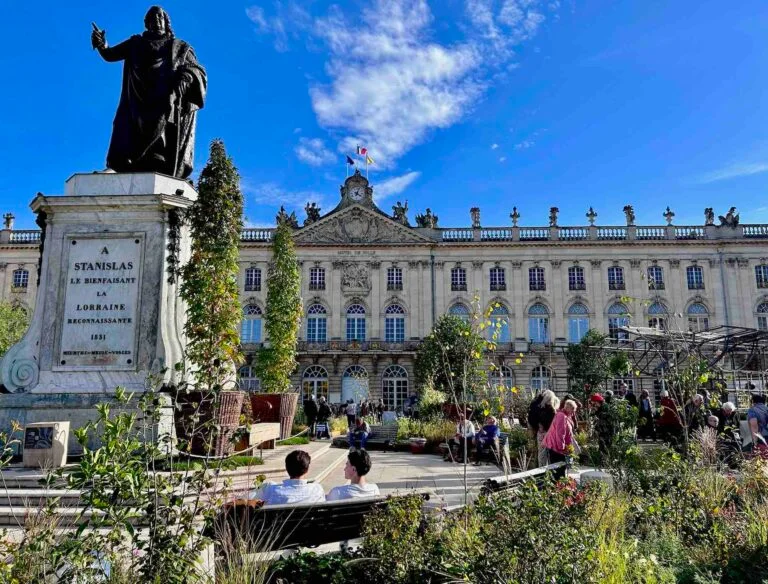
Nancy reads like an open-air architecture book. The classical squares of the 18th century give way to the vegetal lines of the École de Nancy, then to the more geometric forms of the interwar period. In December, the Saint Nicholas celebrations add a popular and luminous dimension to this history.
Place Stanislas, the grand showcase of the Enlightenment
Built between 1752 and 1756 under the direction of architect Emmanuel Héré, Place Stanislas formed a coherent urban project together with the Place de la Carrière and Place d’Alliance. The ensemble has been listed as a UNESCO World Heritage Site since 1983.
Its orderly façades, the Jean Lamour gates and the Neptune and Amphitrite fountains make up a true stage set. The best way to understand it is to continue on foot toward the Héré Arch, Place de la Carrière and the Government Palace.
The École de Nancy, much more than a decorative style
Nancy is above all one of France’s capitals of Art Nouveau. Here, the movement takes the name École de Nancy, officially created in 1901 around Émile Gallé and many artists, industrialists and patrons.
Glass, wood, ceramics, stained glass and ironwork draw on a close observation of nature. Flowers, stems and insects are not merely decorative: they shape furniture, objects and sometimes entire buildings.
Villa Majorelle and the École de Nancy Museum
The Villa Majorelle makes it possible to enter this world physically. Designed by Henri Sauvage for cabinetmaker Louis Majorelle at the beginning of the 20th century, it combines architecture, furniture and décor in a single vision.
The École de Nancy Museum completes the visit with works by Gallé, Majorelle, Daum and other creators. Capacity and opening hours may vary: booking ahead helps avoid unpleasant surprises, especially at weekends.
From Art Nouveau to Art Deco
The original title of this article linked Nancy with Art Deco and “modern art.” The clarification matters: the city’s main hallmark remains the Art Nouveau of the École de Nancy. Art Deco came later, with more restrained, geometric lines visible in several buildings and facilities from the interwar period.
This progression makes the walk interesting: vegetal curves do not disappear all at once, but gradually give way to a more structured modernity.
Nancy Thermal, restored heritage
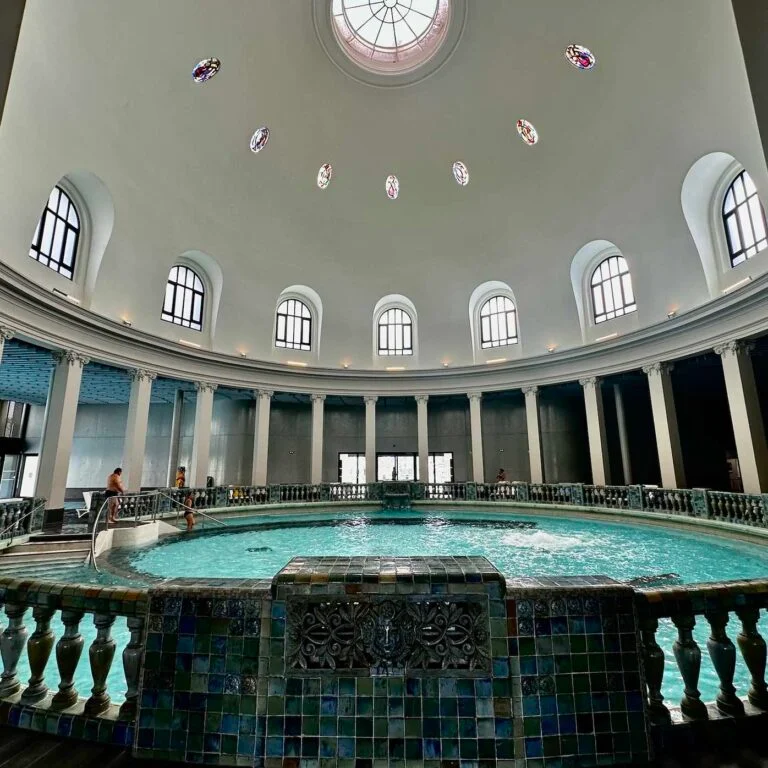
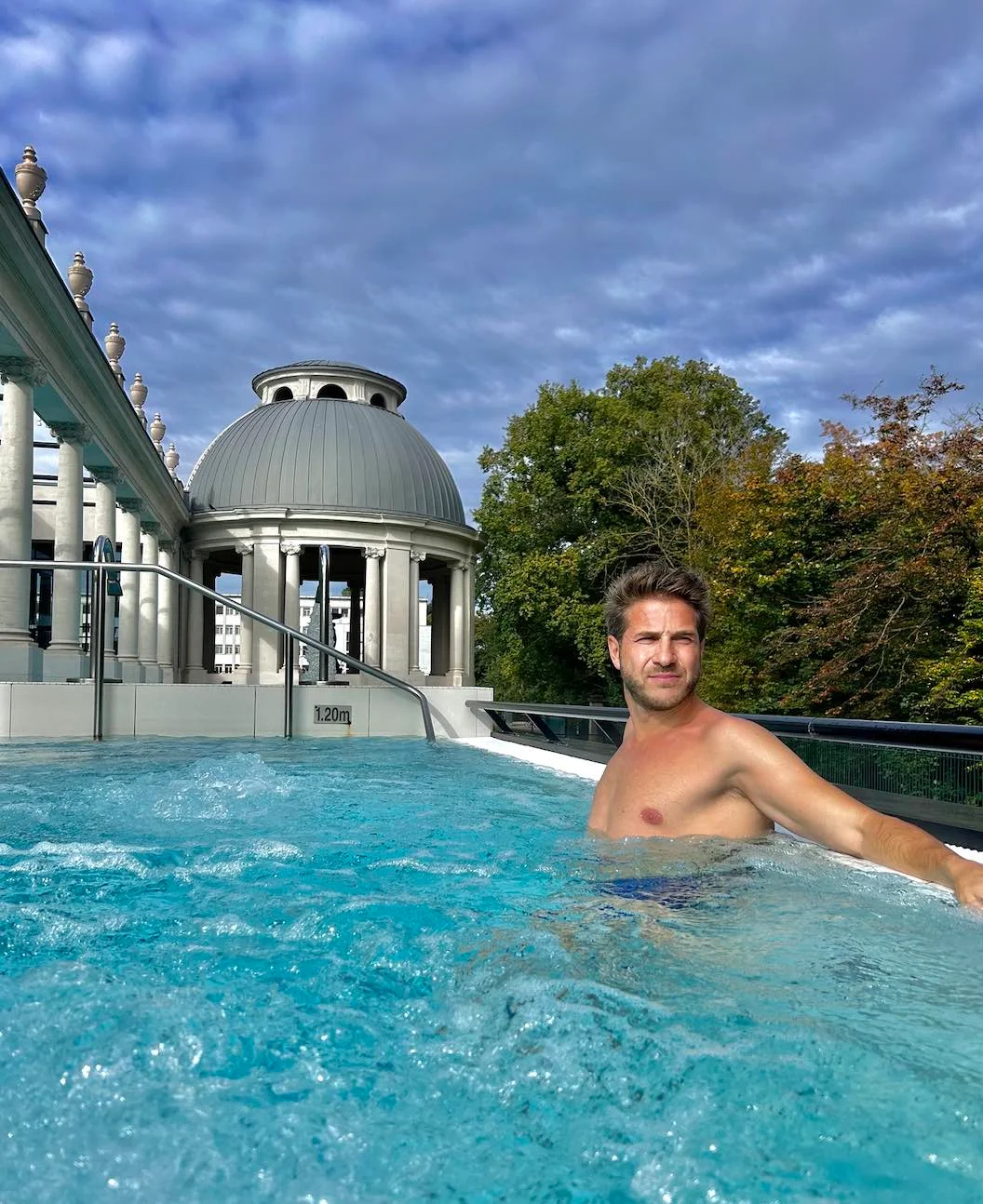
Spa culture is also part of Nancy’s urban history. The current complex reoccupies a site marked by early 20th-century architecture and the presence of a thermal spring.
The contemporary pools thus enter into dialogue with the colonnades and preserved décor. Before going, it is important to distinguish between the different areas and check opening hours, access conditions and any required reservations.
Saint Nicholas, when the city becomes a stage
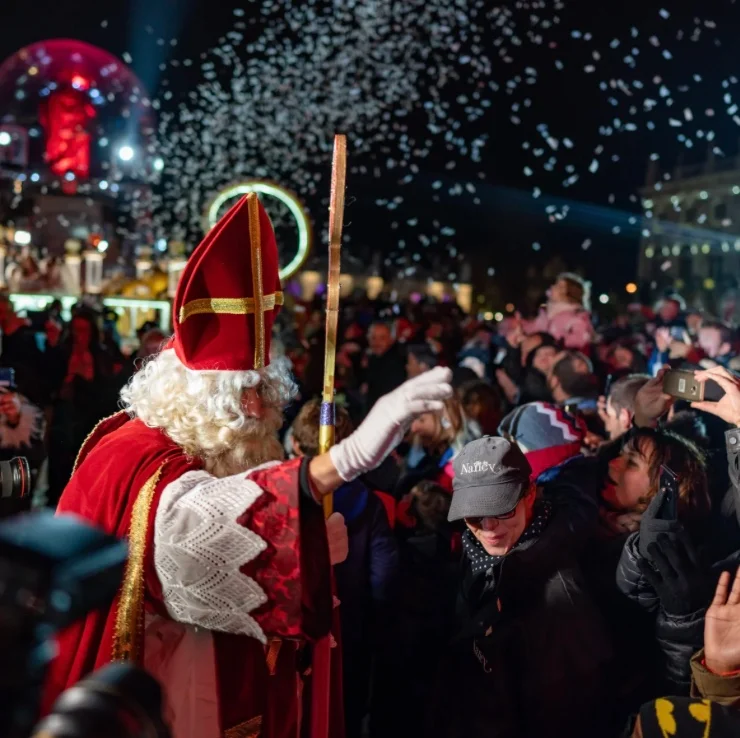
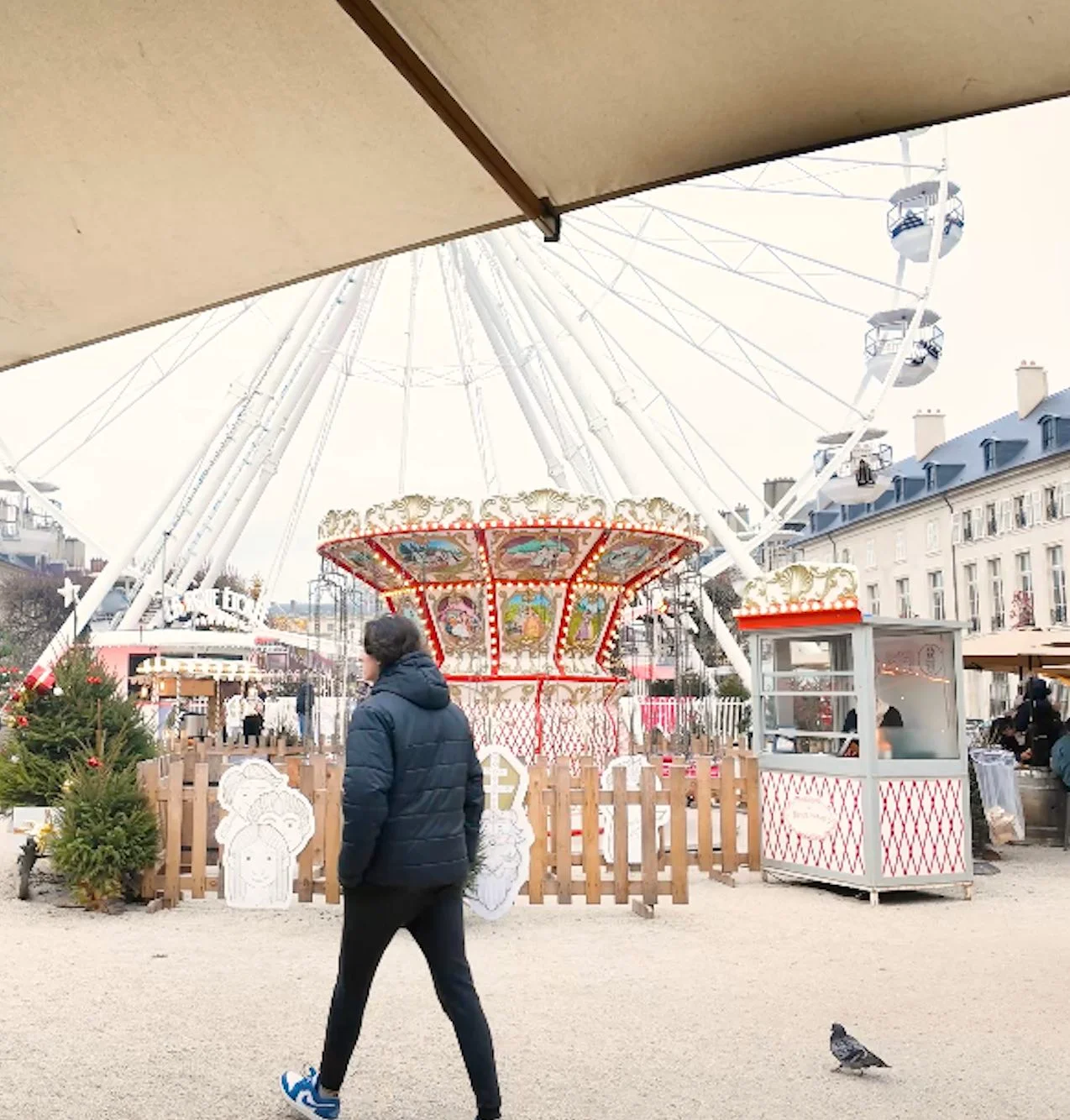
Every year around 6 December, Nancy celebrates the patron saint of Lorraine. Gourmet villages, installations, performances and a grand parade transform the city center for several weeks.
The program and traffic restrictions change with each edition. It is therefore best to check the official website before departure and arrive early for the most popular events.
Taste Lorraine
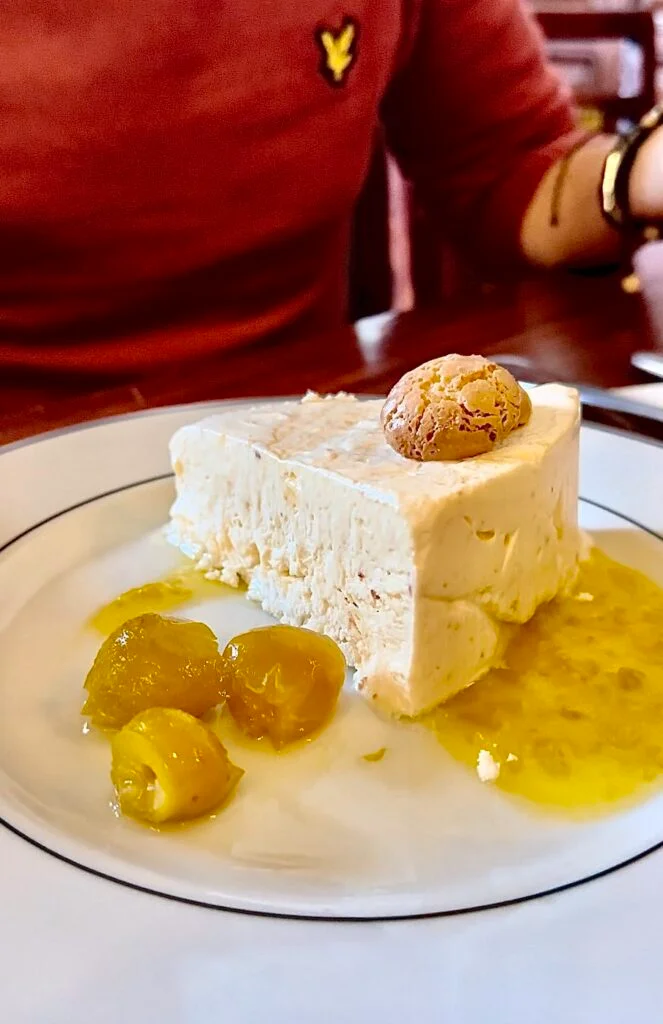
Mirabelle plum, bergamot, Nancy macarons and Lorraine pies offer several entry points into local gastronomy. The central market allows visitors to meet shopkeepers and producers without turning the discovery into a simple list of specialties.
Historic brasseries extend this immersion in rooms where stained glass, lighting and woodwork are sometimes as much a part of the experience as the plate.
Planning a weekend in Nancy
- First day: explore the UNESCO ensemble, the old town and the Museum of Fine Arts.
- Second day: book the Villa Majorelle and the École de Nancy Museum.
- Architecture: use the official heritage trail to spot Art Nouveau and Art Deco façades.
- Saint Nicholas: check the annual program and favor public transport during the grand parade.
- Thermal: check the area chosen, time slots and access conditions before your visit.
- On foot: the city center is easy to discover on foot; wear comfortable shoes.
A city where eras continue to converse
Nancy is not limited to a single square or a single artistic movement. Its appeal comes from the continuity between classical urban planning, the decorative revolution of Art Nouveau and the modernities of the 20th century.
With Saint Nicholas, markets and spa culture added in, the city offers a dense but coherent weekend, where heritage remains fully alive.