The Viziit journal
Dordogne: nature, gastronomy and the art of taking your time
From Lake Neufont to the truffle groves of Périgord, a stay to the rhythm of the trails, producers, and landscapes of Greater Périgueux.
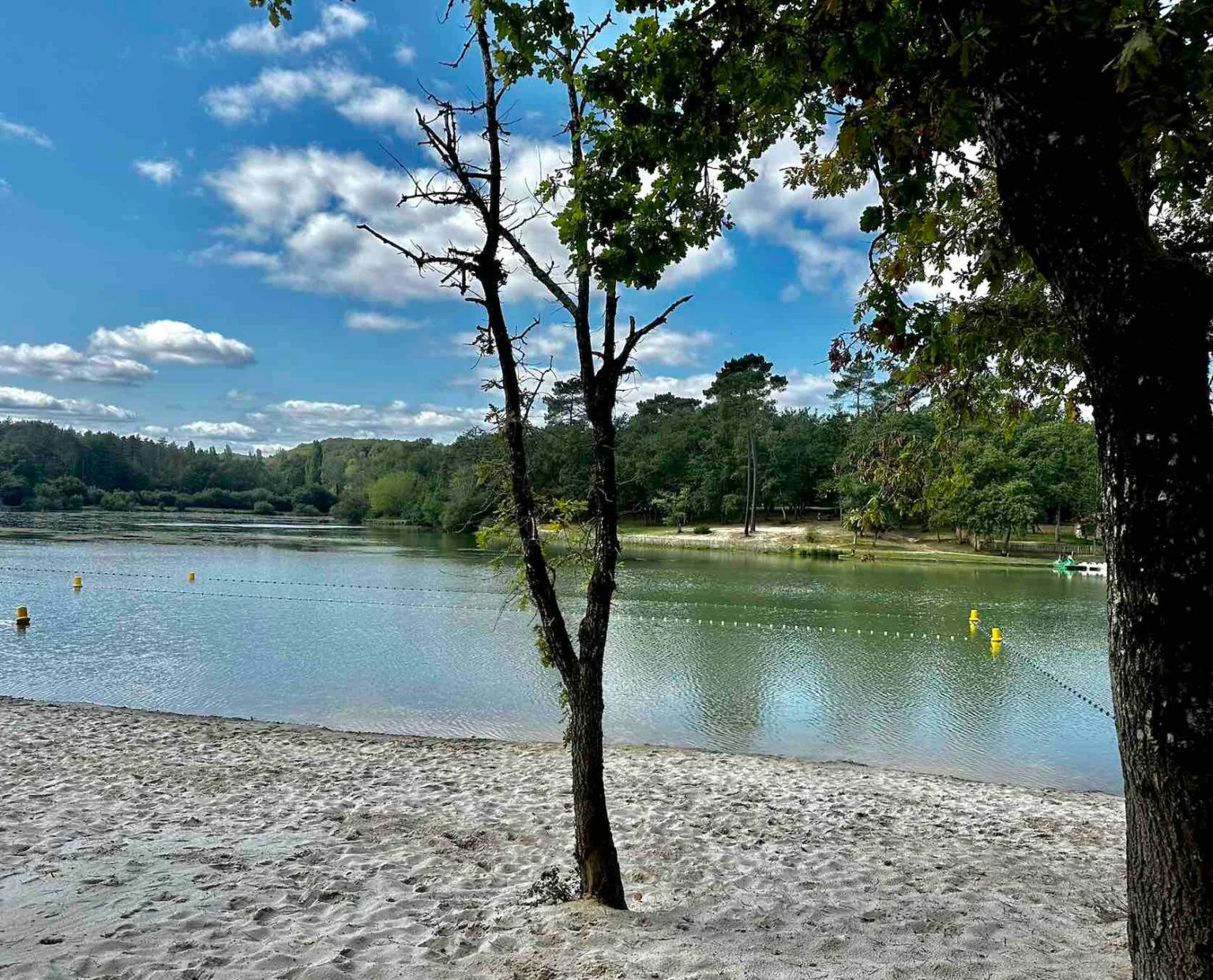
In Dordogne, slowing down is not an abstract program. It means leaving the main roads, following a small road between the oaks, stopping at a producer’s place and letting a swim extend the afternoon. Around Vergt and Grand Périgueux, this journey takes the form of a simple, delicious stay deeply rooted in the landscape.
Settling in by the lake
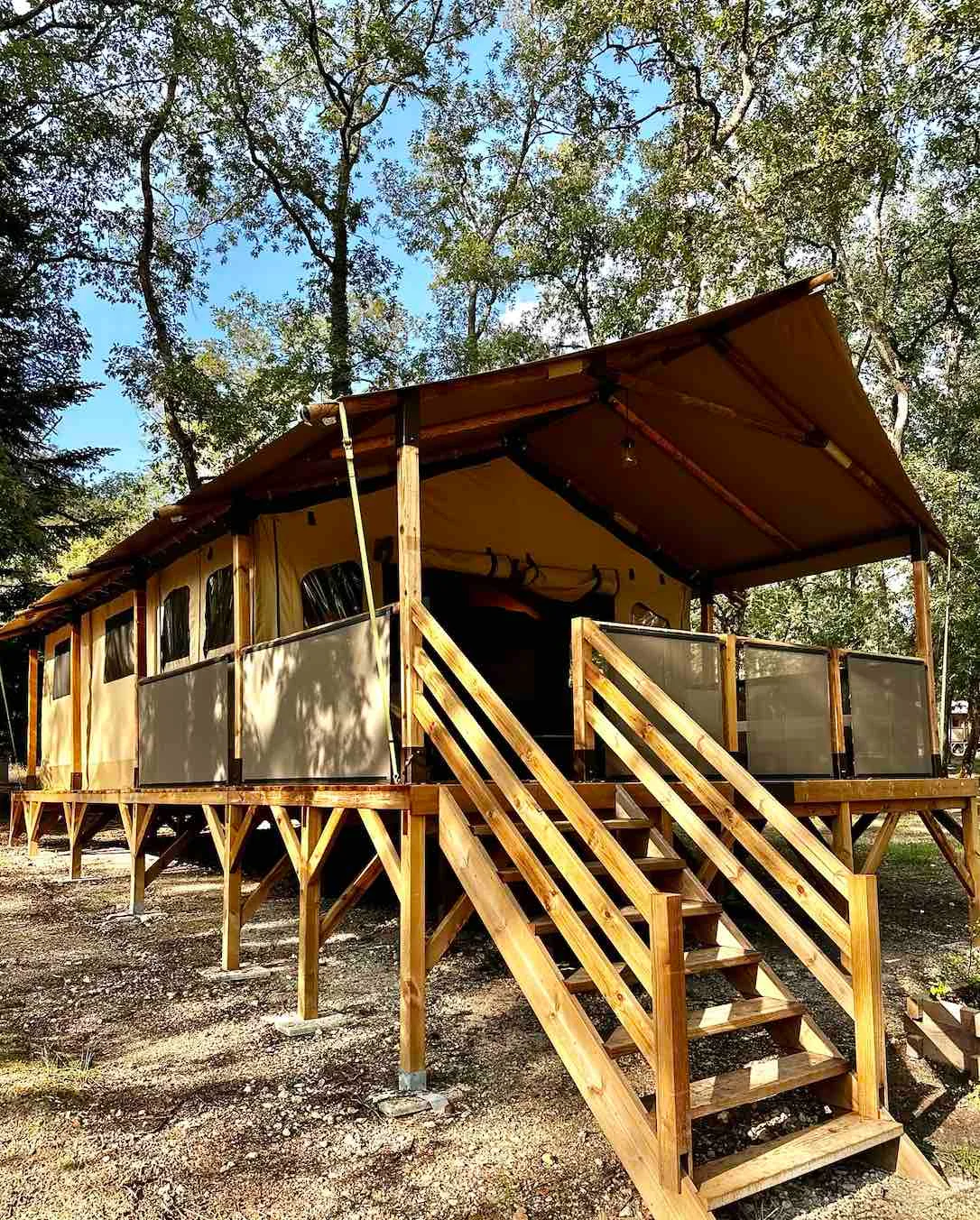
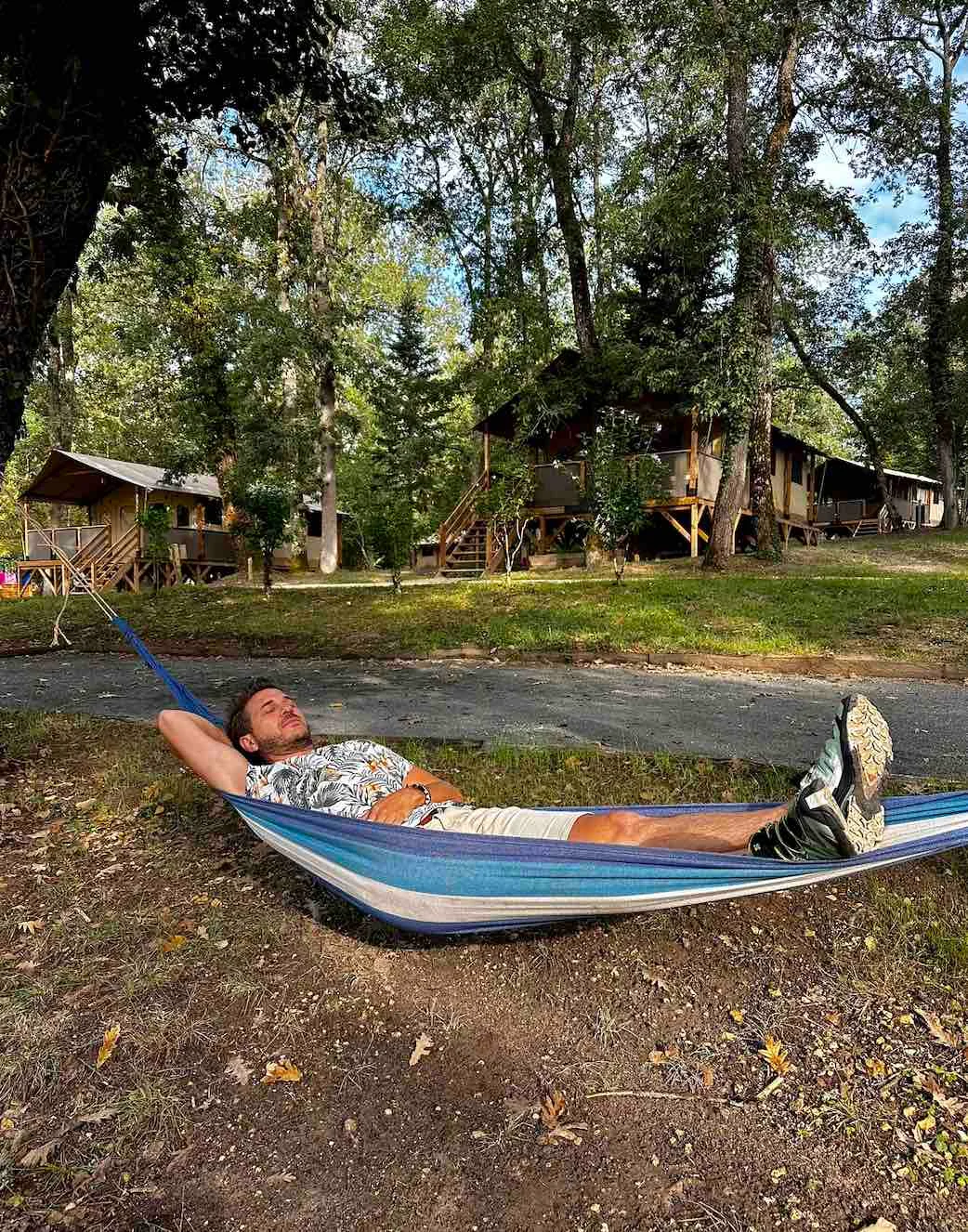
Lac de Neufont, in the Vergt area, is a pleasant base for exploring this part of Périgord. Beneath the oaks, the canvas accommodations combine the atmosphere of camping with greater comfort: a gentle way to stay close to nature without giving up a good night’s rest.
What makes the place appealing is above all its pace. It is easy to move from breakfast outdoors to a walk, then from time by the water to a quiet evening under the trees. Services, water activities and swimming conditions may vary according to the season, so it is best to check them before you leave.
Discovering the villages by bike
Around Vergt, small roads and paths run through woods, orchards and hamlets. Cycling gives the landscape the right scale: fast enough to link several stops, slow enough to notice a market, a farm or pale-stone architecture.
Before setting out, adapt the route to the group’s ability, the terrain and traffic. A short loop with a stop at a producer’s place often tells the story of the area better than an overly ambitious route. Water, a helmet and checking the weather remain essential in summer.
Périgord through taste
Local gastronomy is not limited to a list of specialties. It rests on landscapes, seasons and know-how: livestock farming, walnuts, strawberries, duck, wines and truffle cultivation. Meeting the people who keep them alive makes it possible to understand what ends up on the plate.
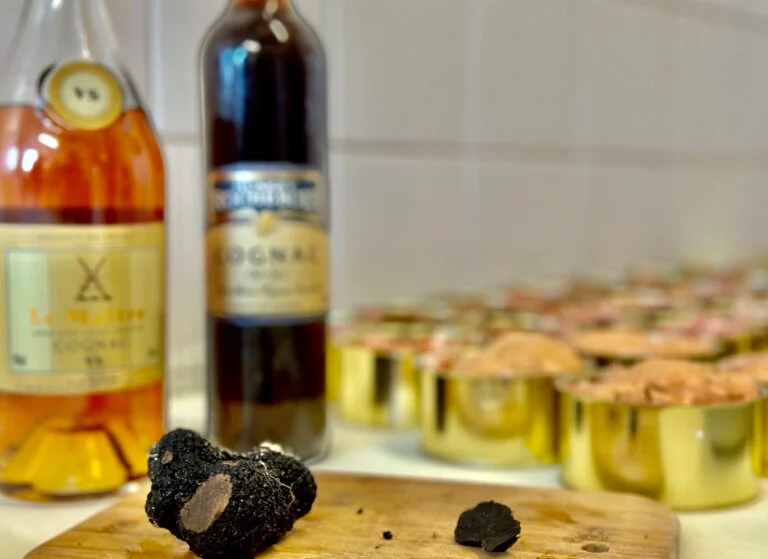
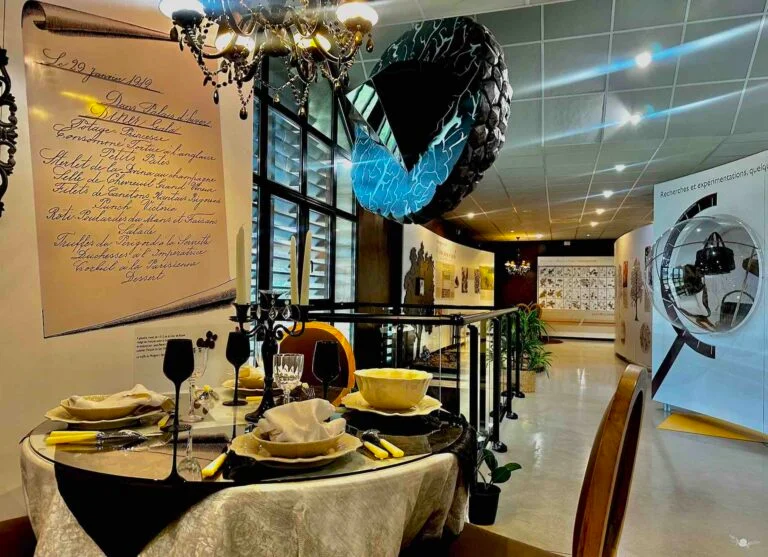
The black truffle of Périgord, Tuber melanosporum, requires particular soil and climate, but also a great deal of patience. In Sorges-et-Ligueux-en-Périgord, the Truffle Ecomuseum explains its cycle, cultivation and truffle-hunting techniques without reducing this product to its luxurious image.
Vineyards and encounters in the Vergt area
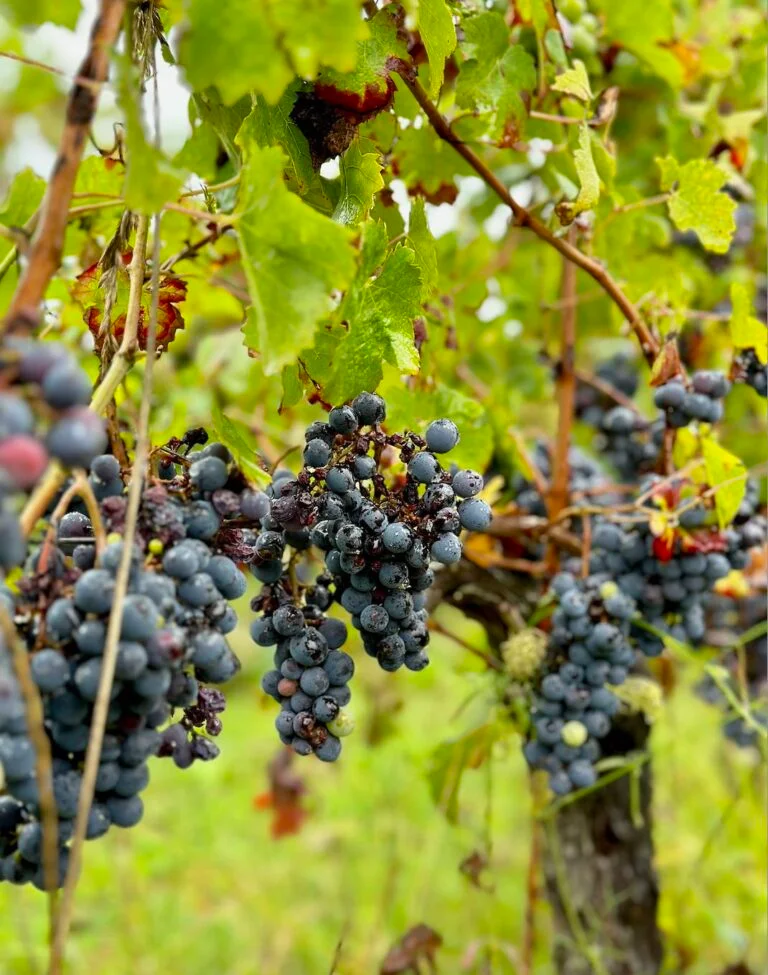
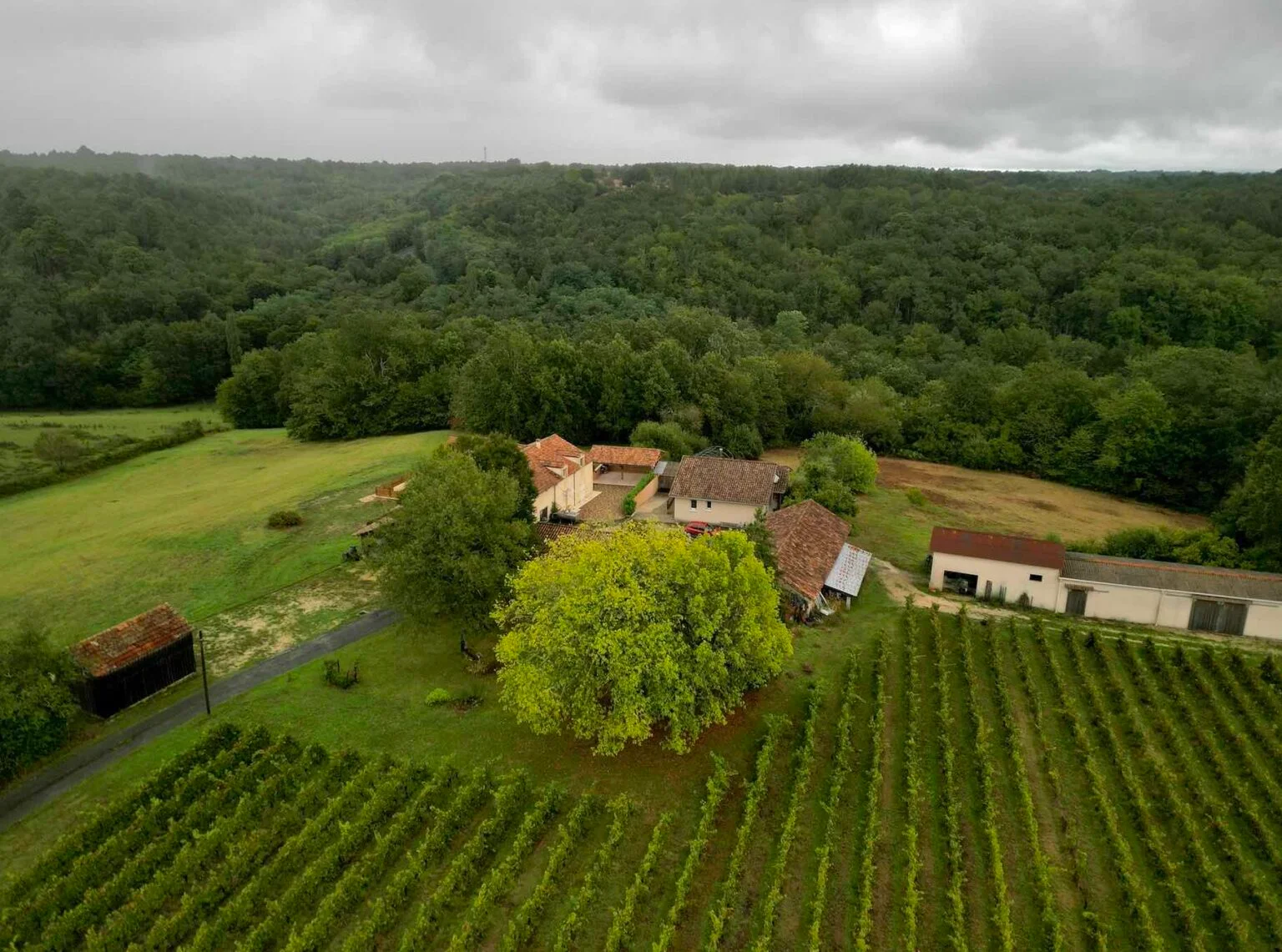
The estates in the area extend the journey through another reading of the soil. A vineyard visit, when offered, makes it possible to talk about grape varieties, harvests and cultivation choices directly with the winegrowers. Some addresses work in organic farming or according to biodynamic principles; it is advisable to check the certifications and specific arrangements of each estate.
Book your visit rather than showing up unannounced. You will get more out of the encounter and can organize a responsible tasting, with a designated driver or a return planned in advance.
Rediscovering simple sensations
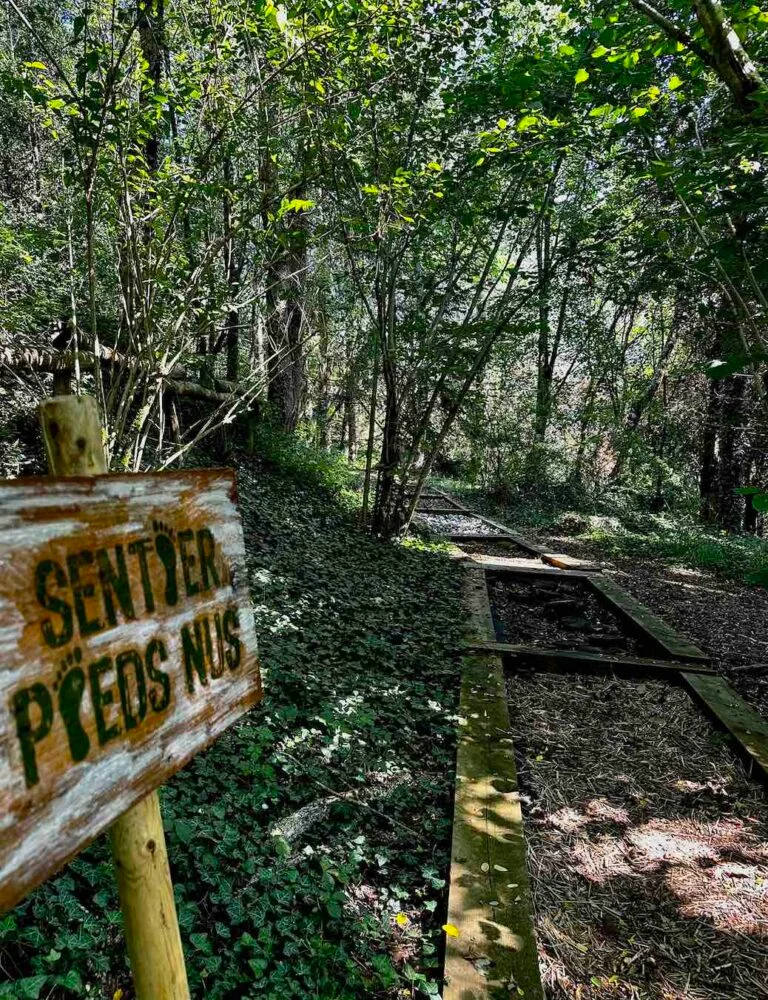
Slow tourism is also about modest experiences: walking in the forest, observing birds, playing pétanque or sharing a barbecue. A barefoot trail adds a sensory dimension to the walk, but its opening and condition should be confirmed locally before visiting.
Extending the itinerary in Dordogne
With a few extra days, the stay can include Périgueux, the villages of the Dordogne and Vézère valleys, or the major prehistoric sites. The Vézère Valley brings together fifteen sites listed as UNESCO World Heritage, including Lascaux, within a territory exceptionally rich in Paleolithic traces.
To stay true to the spirit of the trip, it is better to choose one area per day rather than rack up the kilometers. Dordogne is vast and its roads invite discovery more than speed.
Preparing a slow stay in Dordogne
- Duration: plan on at least three days around Vergt, more if you add Périgueux or the Vézère Valley.
- Season: spring and early autumn offer pleasant temperatures; in summer, book early and avoid physical activities during the hottest hours.
- Getting around: combine a car for longer links, a bike for local loops and walking for villages and woodland.
- Producers: contact estates and farms before visiting; their hours often follow production work.
- Truffle: experiences and markets depend on the season. Check official information rather than setting off based on an assumed date.
- Respect for places: stay on authorized paths, take your rubbish with you and do not enter private property without permission.
Travel slower, see more
This stay in Dordogne works because it does not try to tick everything off. A lake, a few paths, a shared table and two or three encounters are enough to give the trip real depth.
Périgord then reveals what it has most precious: a lived-in landscape, gastronomy connected to its local soil, and a generous way of letting time become part of the experience.