The Viziit journal
Travel to Réunion: volcanoes, cirques and encounters
From Piton de la Fournaise to the lush cirques, from lava tunnels to the lagoon: discover the experiences that give Réunion its intensity.
Réunion brings together worlds that seem incompatible: an active volcano, cirques covered in vegetation, Creole villages, and a luminous lagoon. A few hours on the road are enough to go from a lunar landscape to a tropical coastline. But the island is best discovered slowly, leaving room for hikes, encounters, and changing weather.
Salazie and Hell-Bourg, the island on the rainforest side
To the east, the cirque of Salazie catches the trade winds and displays spectacular vegetation. Waterfalls, cliffs covered with ferns, and deep ravines accompany the road to Hell-Bourg, a village perched at around 930 meters above sea level.
Its Creole houses, gardens, and peaceful atmosphere make it an excellent base for understanding the history of the Hauts. The Voile de la Mariée is among the best-known waterfalls, but the cirque offers plenty of viewpoints and trails. Here, rain is part of the scenery: it is precisely what nourishes this exuberance.
Walking on Piton de la Fournaise
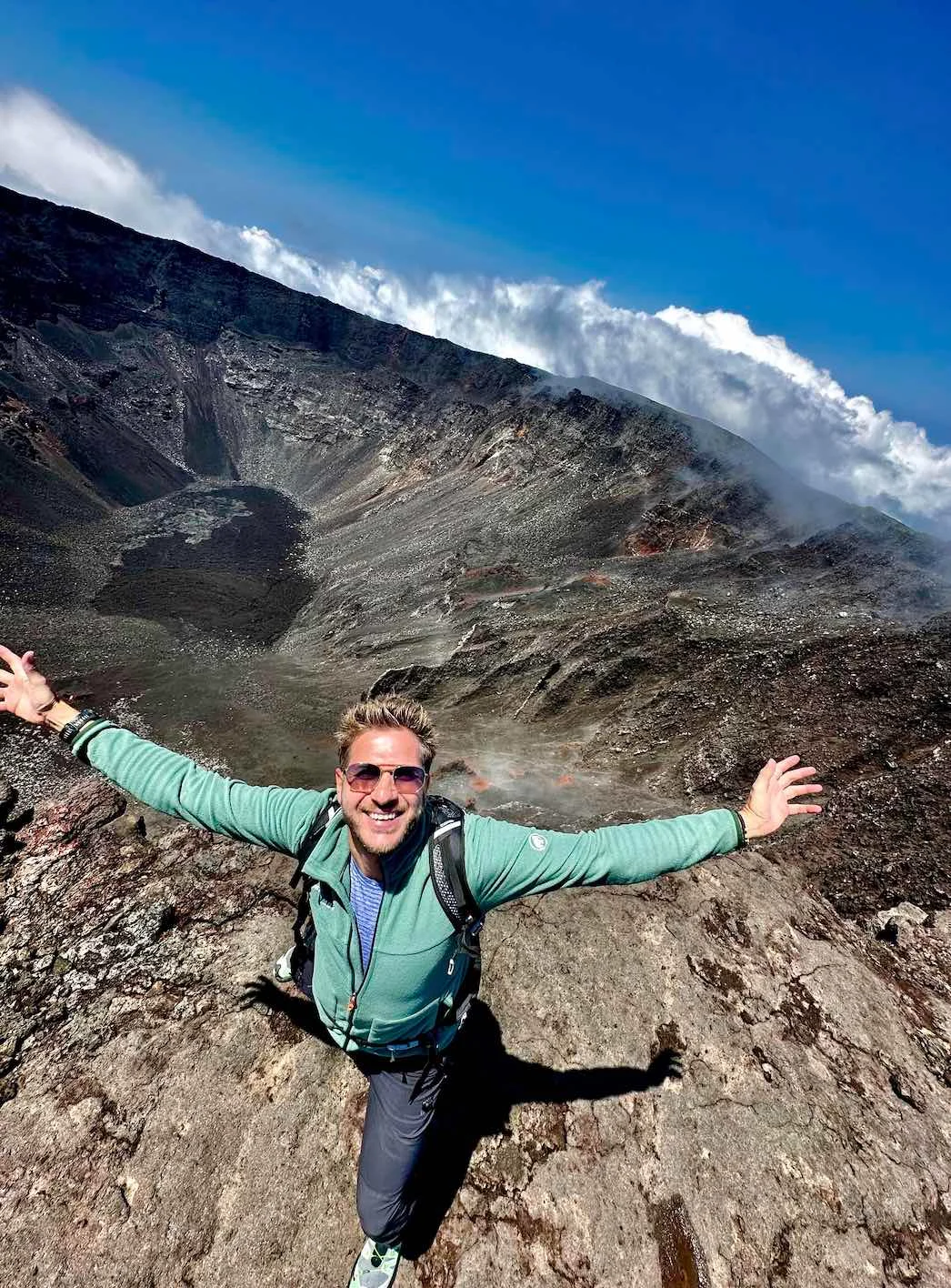
Piton de la Fournaise is one of the major highlights of a trip to Réunion. The volcano road crosses several layers of vegetation before reaching the Plaine des Sables, then Pas de Bellecombe-Jacob, the starting point for many routes.
Access to the enclosure and the trails depends on volcanic activity and prefectural decisions. Fog, wind, rain, and sun can also follow one another very quickly. You need to set out properly equipped, stay on authorized routes, and check the official conditions that very morning.
Exploring lava tunnels in Saint-Philippe
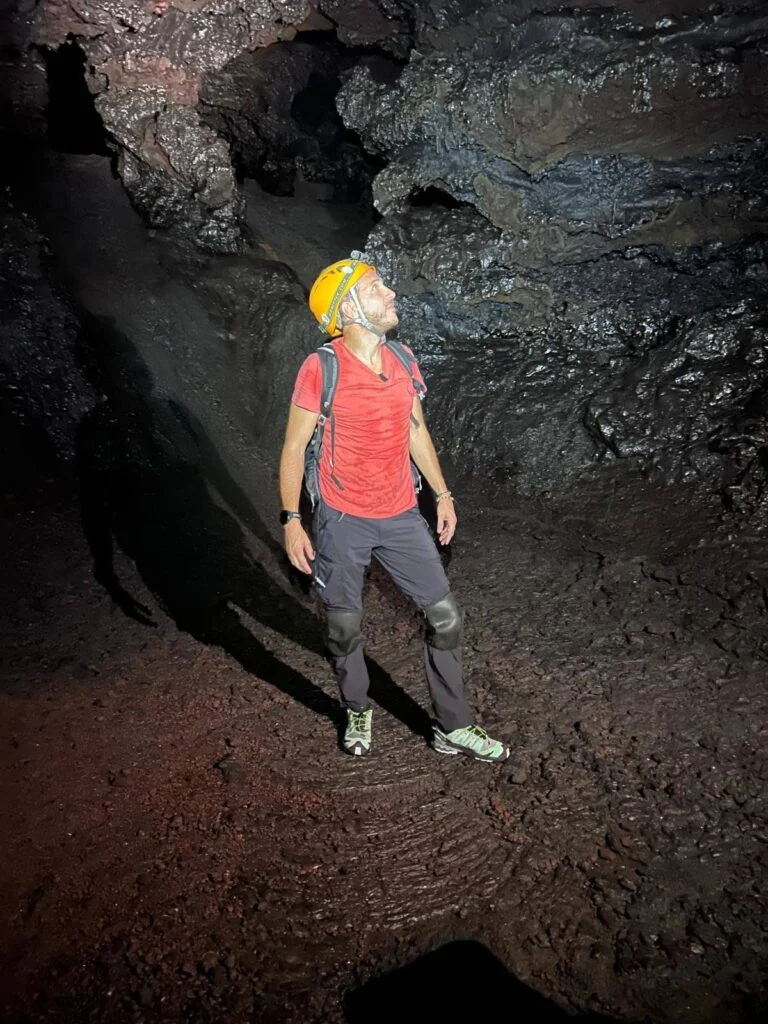
In the wild south, the flows from Piton de la Fournaise have left behind a network of underground galleries. Helmet on, you enter a world of dark walls, frozen textures, and silence.
This activity must be done with a specialized guide: the terrain is technical, navigation is impossible without local knowledge, and conditions can change. Supervision also helps you read the lava formations and better understand the island’s birth.
Cilaos, at the foot of Piton des Neiges
The winding road leads to Cilaos, set at around 1 200 meters in the heart of its cirque. The village is known for its thermal springs, lentils, embroidery, and immense mountain amphitheater.
Cilaos is also a starting point for many hikes, including the demanding ascent of Piton des Neiges, the island’s highest peak at 3 070 meters. Serious preparation, an early start, and favorable weather are essential for high-altitude routes.
Returning to the ocean and the lagoon
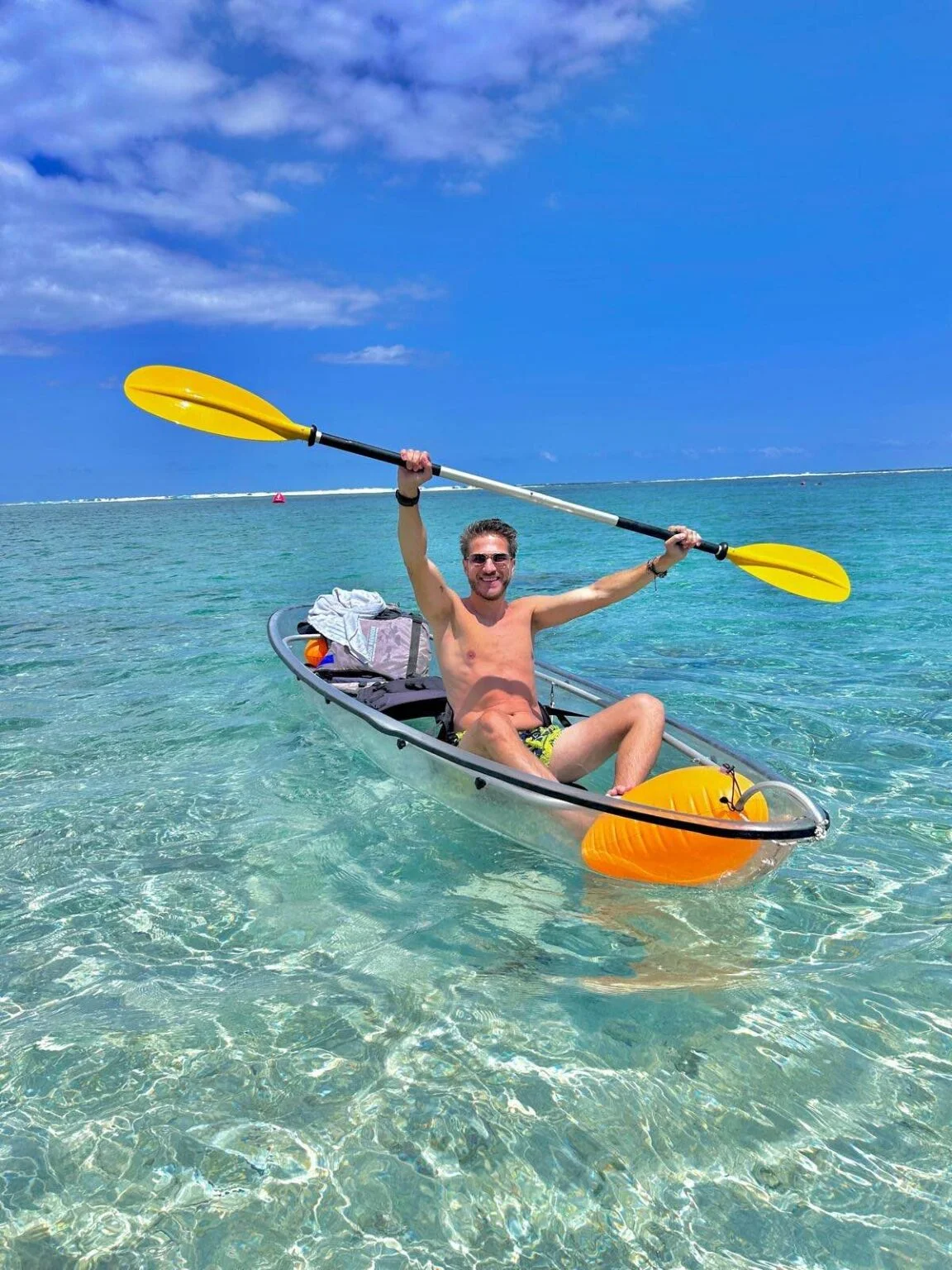
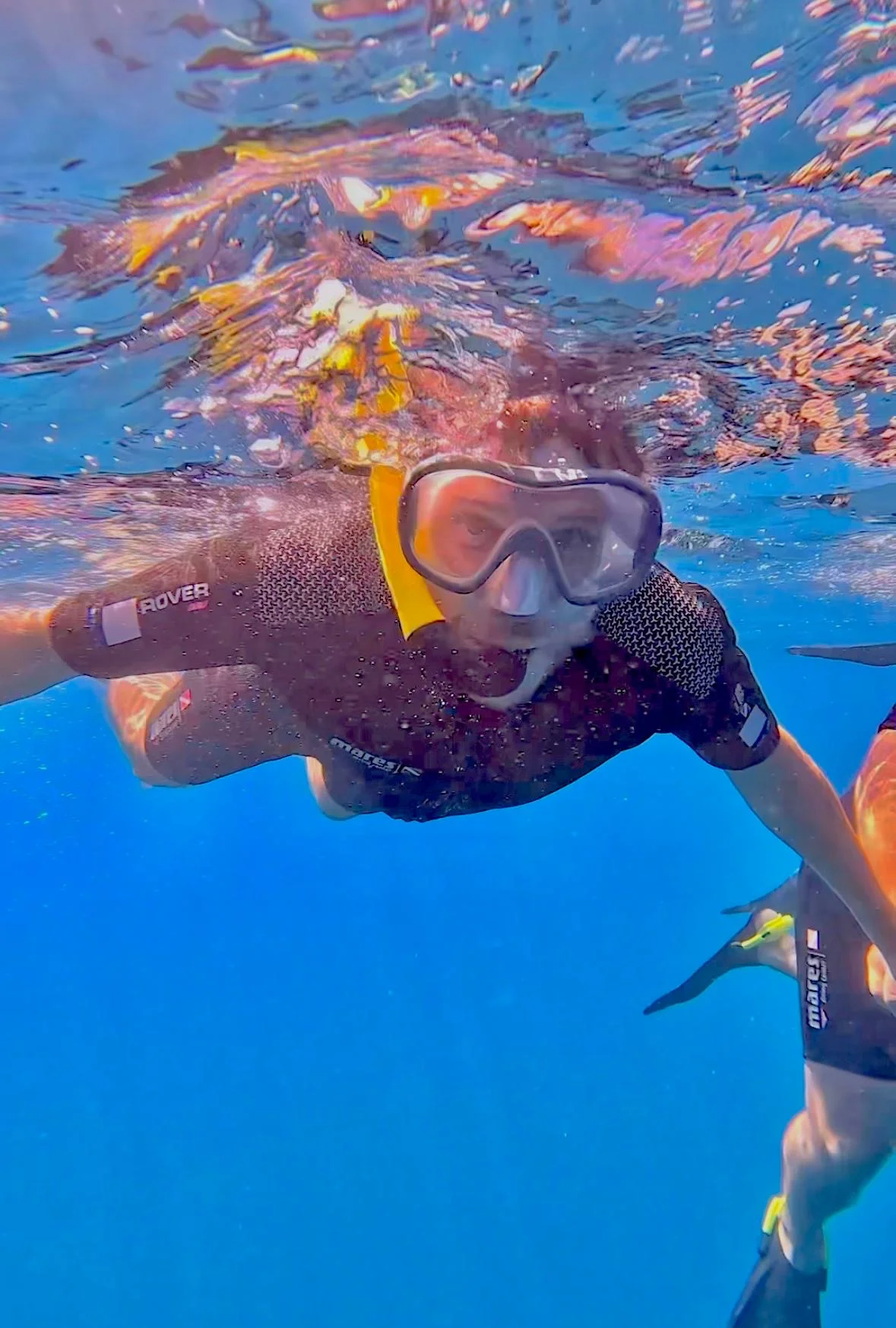
After the highlands, the west coast completely changes the pace. The lagoon is ideal for swimming and water activities in authorized and supervised areas. Kayaking, snorkeling, or simply taking a break by the water lets you observe this fragile environment without disturbing it.
Observing whales respectfully
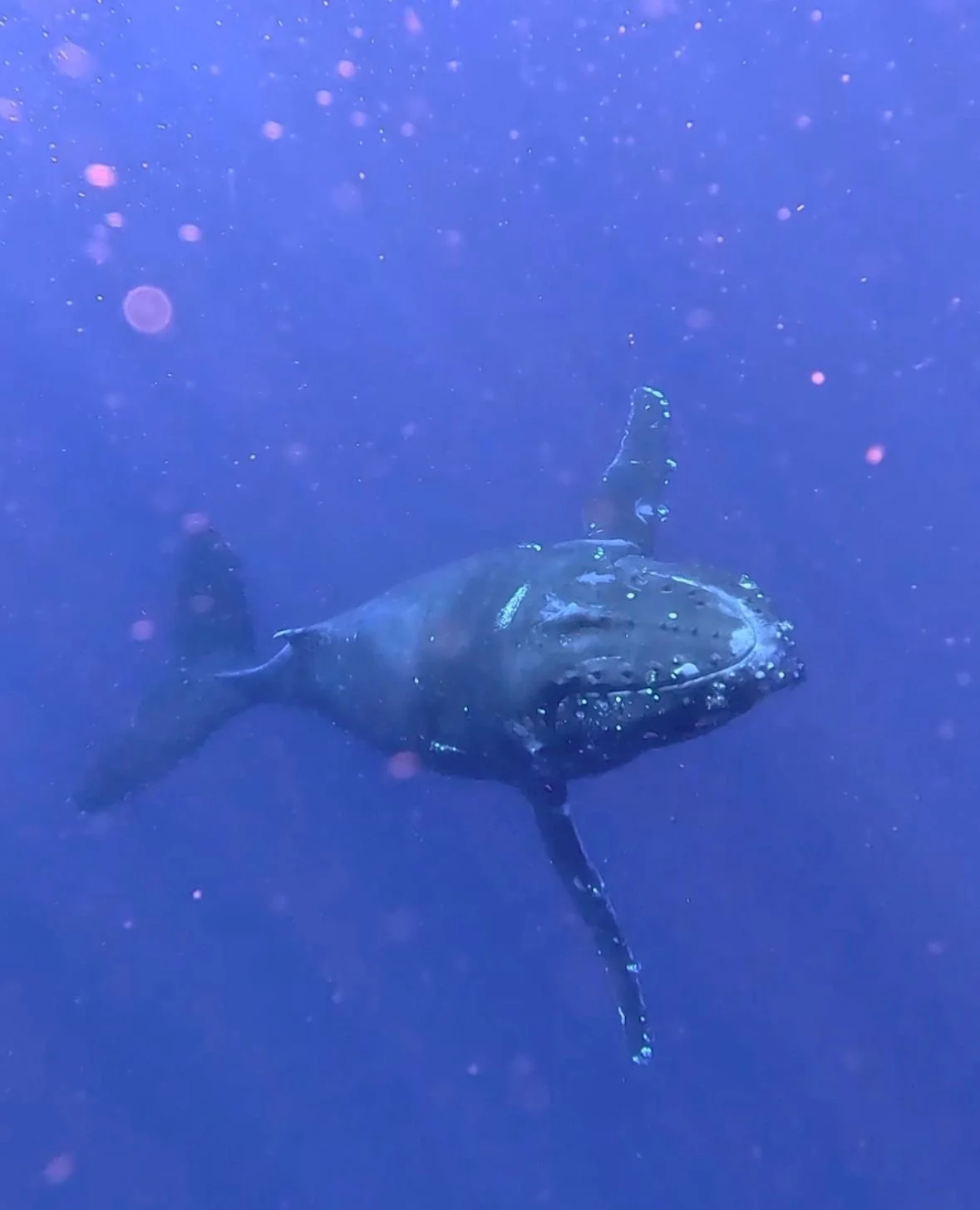
From June to October, humpback whales usually frequent Réunion’s waters to breed and give birth. Spotting them from the coast or on a guided outing is a highlight, even though their presence cannot naturally be guaranteed.
Choosing a committed operator and respecting approach distances protects the animals. Calm, patience, and no chasing are essential: a beautiful sighting is first and foremost one that does not alter their behavior.
Following the wild coast
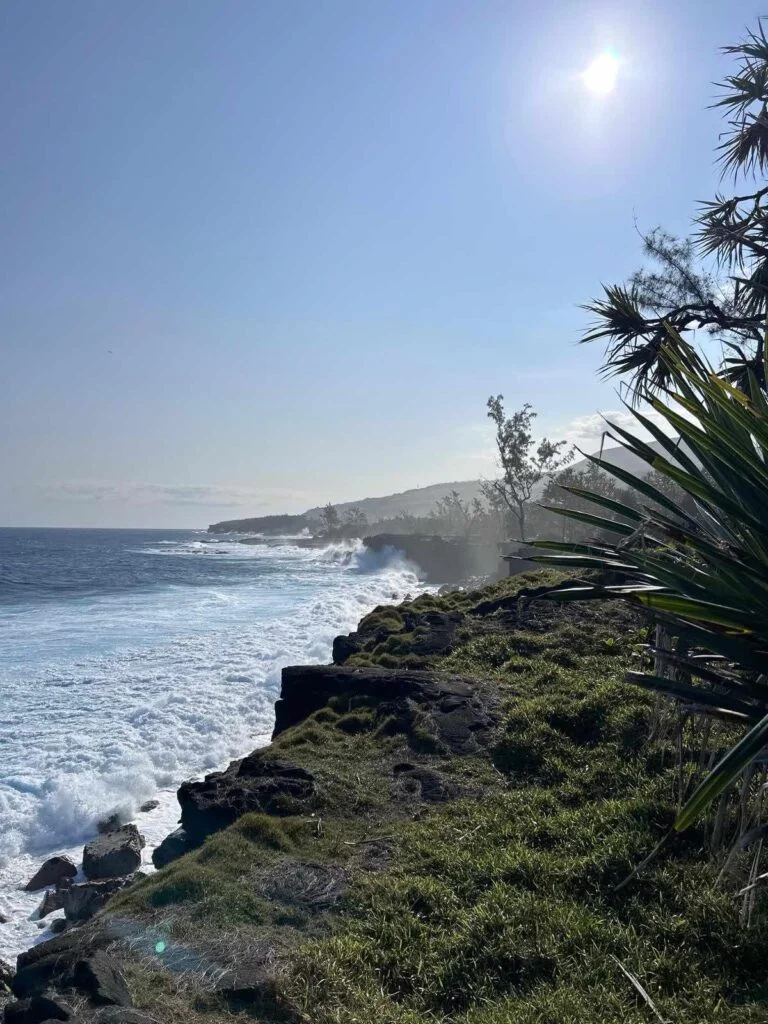
In the southeast, waves crash against basalt cliffs while screw pines line the trail. This coast is a reminder that Réunion is a young volcanic island, constantly shaped by the ocean and lava flows.
Preparing your trip to Réunion
- When to go: the austral winter, from May to October, is generally drier and cooler; conditions vary greatly between the coast and the highlands.
- Transport: a car makes getting around easier, but travel times can be long despite the short distances.
- Hiking: set out early, bring water, sun protection, a waterproof garment, and a warm layer for the Hauts.
- Volcano: check official information on activity, closures, and trail conditions.
- Ocean: swim only in authorized areas and follow local instructions.
Why Réunion leaves such a lasting impression
The island never offers just one setting. A morning begins in the mist of a cirque, continues on a lava flow, and may end facing the setting sun over the Indian Ocean. To this diversity are added the cultures, cuisine, and encounters that give the journey depth.
Réunion deserves time and a certain flexibility. The weather can change the program, a road can invite a detour, and a conversation can extend a stop. It is often in these unexpected moments that the intense island reveals its character.