The Viziit journal
Exploring Quebec in Summer: City, Nature and Culture
From Old Quebec to Montmorency Falls, from Mont-Sainte-Anne to Wendake: a summer itinerary of history, outdoor activities, and encounters.
Quebec’s summer invites you to move effortlessly from the historic streets of Quebec City to forests, rivers, and wide open spaces. This getaway follows the Saint Lawrence, rises to Mont-Sainte-Anne, and gives an essential place to Wendake and Huron-Wendat culture.
Start with Old Quebec
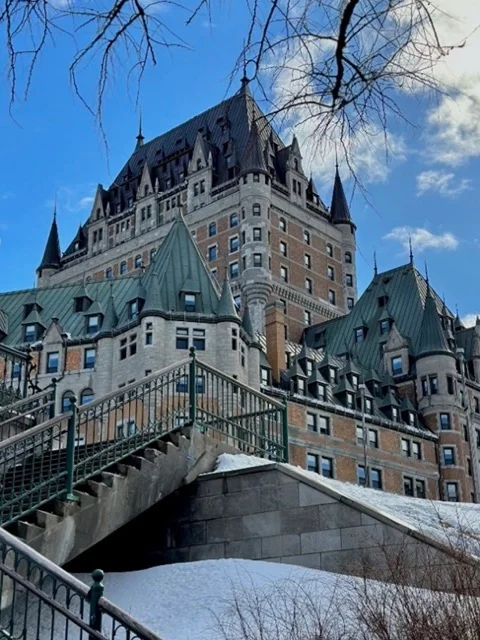
The Château Frontenac dominates Quebec’s skyline and serves as a landmark from the very first steps in the city. Around it, the streets of Old Quebec, Dufferin Terrace, and the viewpoints over the Saint Lawrence are best discovered on foot.
A guided walk or a bike ride quickly gives you the keys to the city. The Samuel-De Champlain promenade runs along the river in a contemporary setting, while the historic districts tell several centuries of history.
Crossing the Plains of Abraham
The Plains of Abraham now form a vast urban park on the heights above the river. The site is inseparable from the battle of 1759 between the French and British armies, but it can also be explored as a large green space where you can walk, cycle, and slow down.
A guided visit puts the events back into context and avoids oversimplification. Quebec’s history is better understood when it is viewed through the voices, territories, and legacies that shaped the region.
Feeling the power of Montmorency Falls
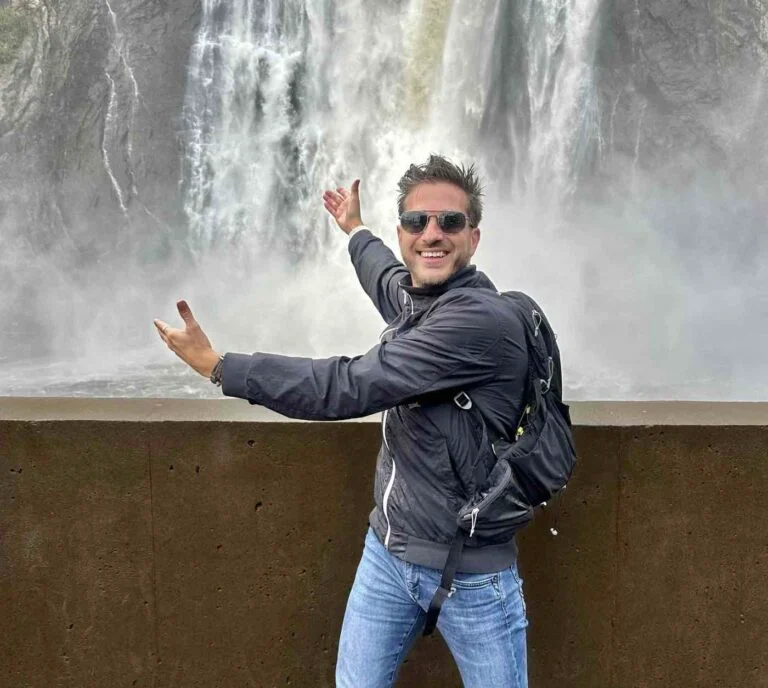
At 83 meters high, Montmorency Falls is taller than Niagara Falls. Several routes make it possible to observe it from below, from the top, and from the suspension bridge. Stairs and trails offer a gradual, more contemplative approach.
Thrill-seekers can also choose from the activities offered on site, depending on opening times and conditions. In summer, it is best to arrive early to enjoy a quieter atmosphere and bring protection against the mist.
Gaining altitude at Mont-Sainte-Anne
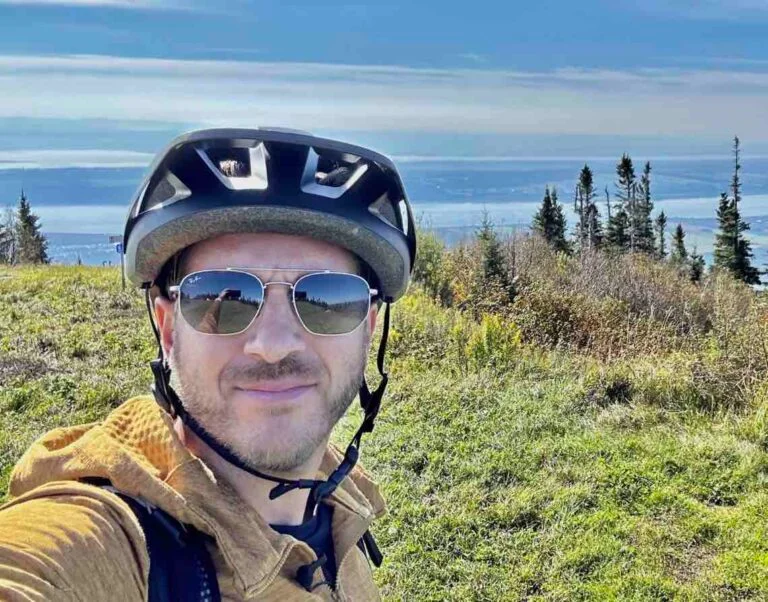
In summer, Mont-Sainte-Anne becomes a vast outdoor playground. Hiking and mountain biking let you explore its trails, with sweeping views over the Saint Lawrence and Île d’Orléans when the weather is clear.
The cycling routes suit several skill levels, but a helmet, appropriate gear, and choosing a trail that matches your experience remain essential. For a first descent, guidance provides real reference points.
Following the Saint Lawrence to Île d’Orléans
Île d’Orléans offers a rural interlude at Quebec City’s doorstep. Orchards, villages, local producers, and views over the river invite you to take your time. The route is perfect for a day trip punctuated by tastings and walks.
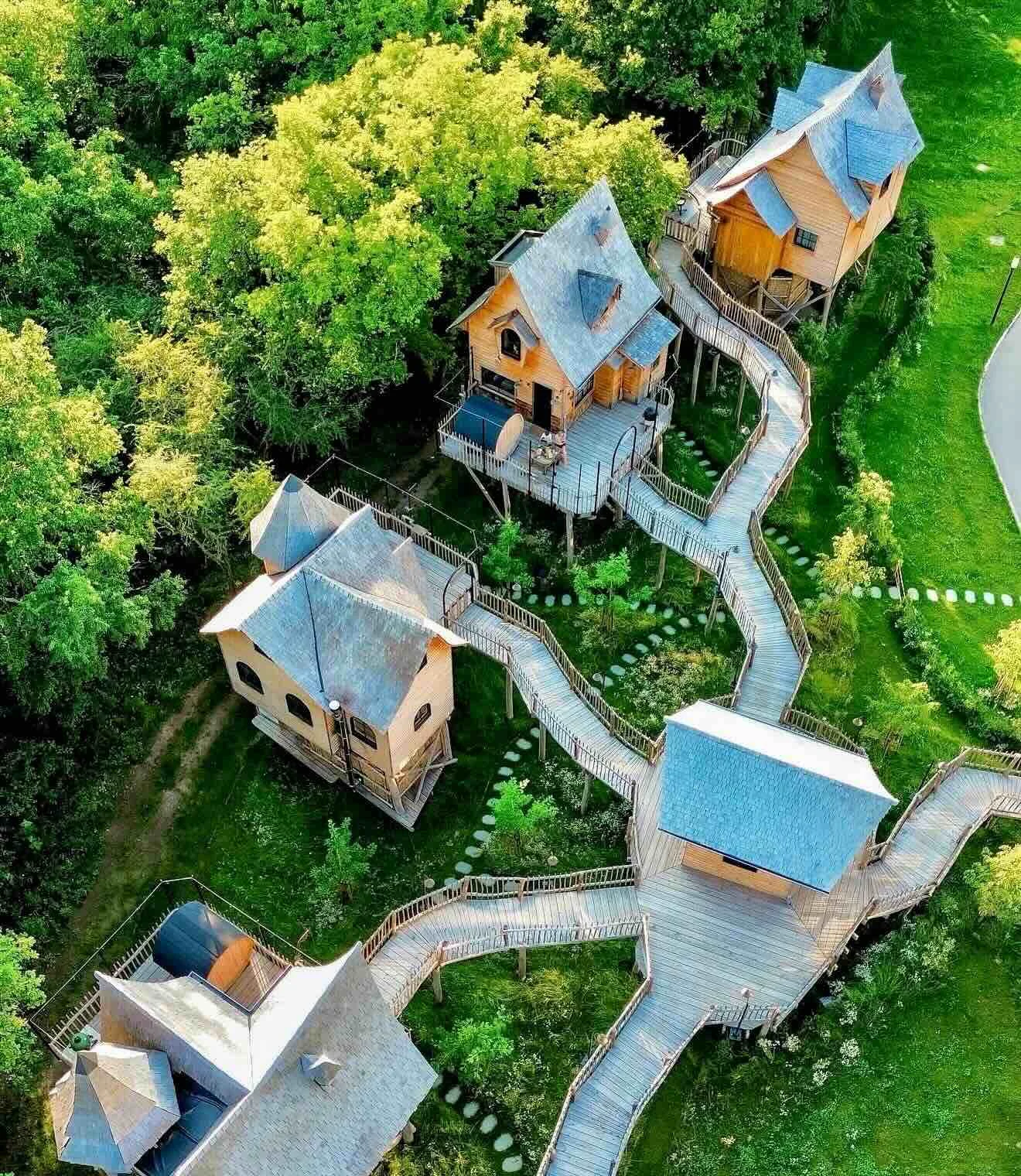
Sleeping facing the Saint Lawrence lets you watch the light change on the water and extend the journey far from the urban pace.
Discovering Wendake with respect
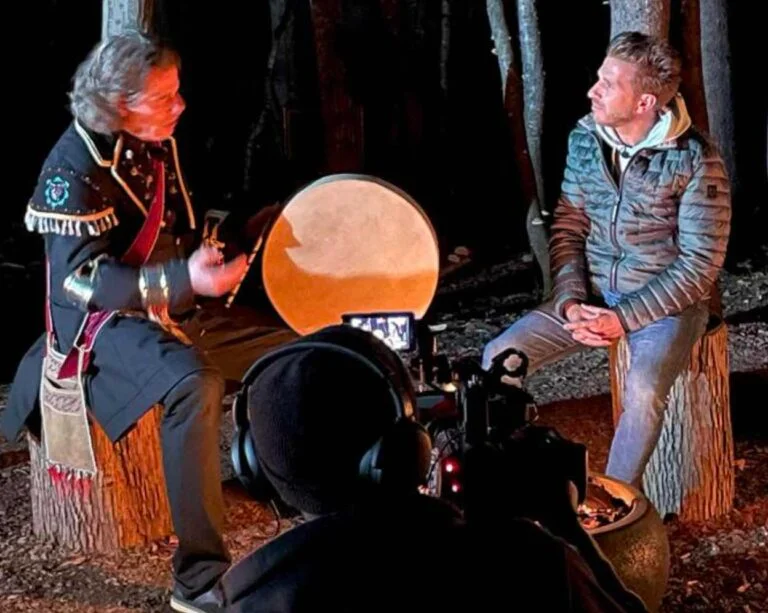
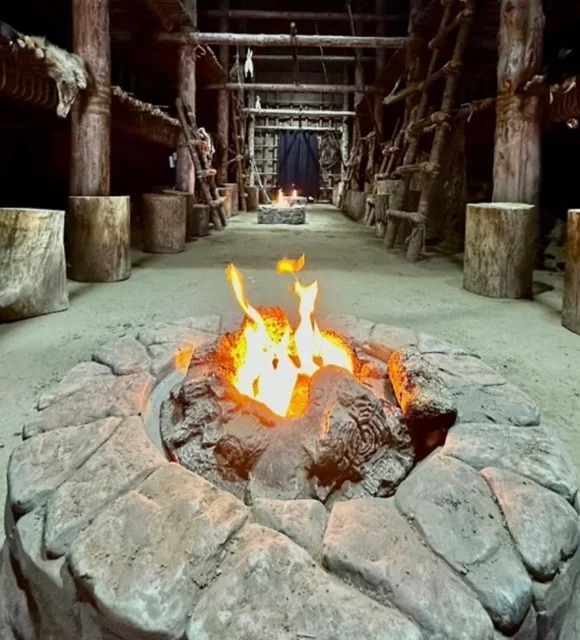
Wendake is the cultural and political heart of the Huron-Wendat Nation. Kabir Kouba Falls, the museum, guided trails, and gastronomy make it possible to approach a living history, told by those who carry it forward.
The Hôtel-Musée Premières Nations, the Sagamité restaurant, and the Onhwa’ Lumina nighttime trail are among the experiences available. It is important to present them as a meeting with a contemporary nation, and not as a setting frozen in the past.
Extending the adventure in the Bras-du-Nord Valley
About an hour from Quebec City, the Bras-du-Nord Valley brings together river, forest, and varied terrain. Hiking, mountain biking, canoeing, and via ferrata make it possible to create an active day or a longer stay immersed in nature.
The area offers a range of accommodations, from camping to cabins. As with any outdoor activity, you should check which trails are open, the weather, the required skill level, and book equipment or guidance when necessary.
Planning a summer trip to Quebec
- Getting around: Quebec City is walkable, but a car becomes useful for Montmorency, Île d’Orléans, and natural areas.
- Weather: pack light clothing, a warm layer, and a waterproof jacket; temperature swings can be significant.
- Bookings: plan ahead for accommodations, guided activities, and crossings during peak season.
- Outdoor activities: adapt the activity to your level and check trail conditions before setting out.
- Distances: Quebec is vast; it is better to limit changes of accommodation and allow time for each stop.
A summer between the city and wide open spaces
The Quebec City region offers a rare balance: a lively historic city, an ever-present river, and nature experiences accessible without traveling thousands of kilometers. Each stop changes the atmosphere while remaining tied to the land.
The best itinerary is not necessarily the busiest one. A few days in Quebec City, a getaway to Île d’Orléans, a genuine encounter in Wendake, and an outdoor stop are already enough to understand why summer in Quebec makes you want to come back so quickly.