The Viziit journal
Winter Road Trip in Quebec: Nature, Cities, and Cultures
From Montreal to Quebec City, via Mont-Ham, Piopolis and Wendake: a winter week of snow, encounters and wide-open spaces.
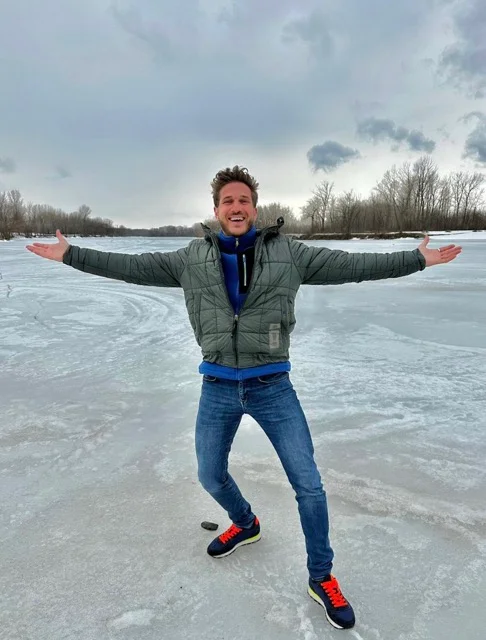
Winter transforms Quebec profoundly. Cities slow down under the snow, lakes freeze over, and roads lead to forests where silence takes on another dimension. This road trip connects Montreal to Quebec City, passing through several regions, with one guiding principle: to experience the season rather than simply observe it.
Montreal under the snow
The journey begins in Montreal, where the Lachine Canal and Atwater Market offer two complementary sides of the city. A walk along the canal helps you acclimate to the cold, while the market invites you to discover local products and flavors.
In winter, distances seem longer and sidewalks can be slippery. It is better to plan a light schedule for the first day, use public transit, and leave time to warm up.
Kahnawà:ke, a living Mohawk territory
South of Montreal, Kahnawà:ke is a Kanien’kehá:ka — Mohawk — community whose history and contemporary life cannot be reduced to a tourist attraction. A visit takes on real meaning when it is led by community members and relies on authorized places and activities.
Listening to local stories makes it possible to approach the territory, the language, and the traditions with greater accuracy. Events follow their own calendar: it is important to check what is accessible at the time of your stay rather than assume that a ceremony or gathering will take place.
Mount Ham, a winter panorama over Ndakina
Mont-Ham Regional Park offers a short but sustained ascent to an open summit. In winter, snow, ice, and wind make it more difficult: hiking crampons, layered clothing, and checking conditions are essential.
The mountain is located on Ndakina, the ancestral territory of the Wabanaki Nation.8 This reality gives the landscape additional depth and invites visitors to consider the territory as a lived-in, named, and handed-down space long before the park was created.
Piopolis, slowing down in the heart of winter
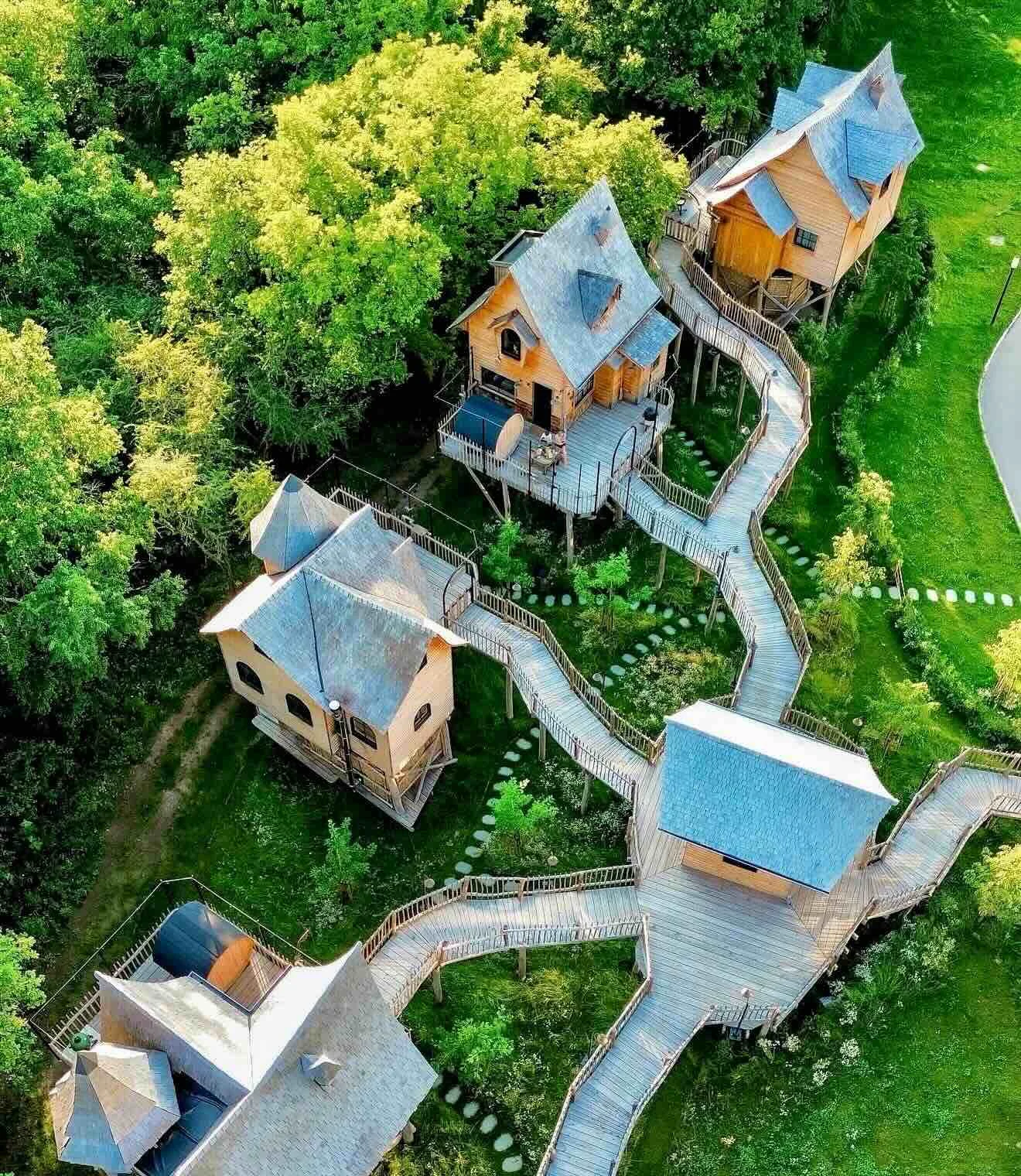
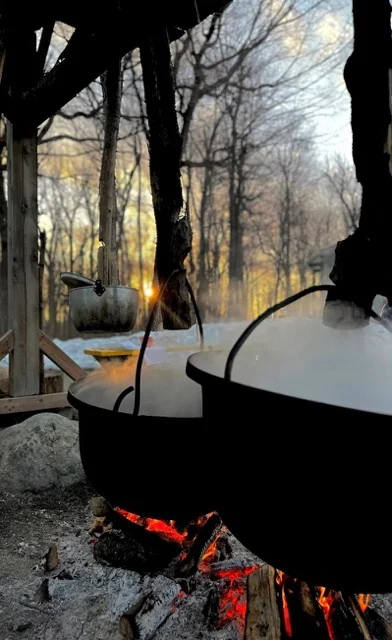
Near Lake Mégantic, Piopolis offers a more contemplative stop. A stay in a yurt or shelter, a sauna session, and an evening by the fire make it possible to recover after the road and outdoor activities.
This stop works precisely because it stays simple: little driving, time in the forest, and a night away from the bustle. In winter, however, it is important to confirm access, available equipment, and heating instructions with the accommodation provider.
Wendake, meeting the Huron-Wendat Nation
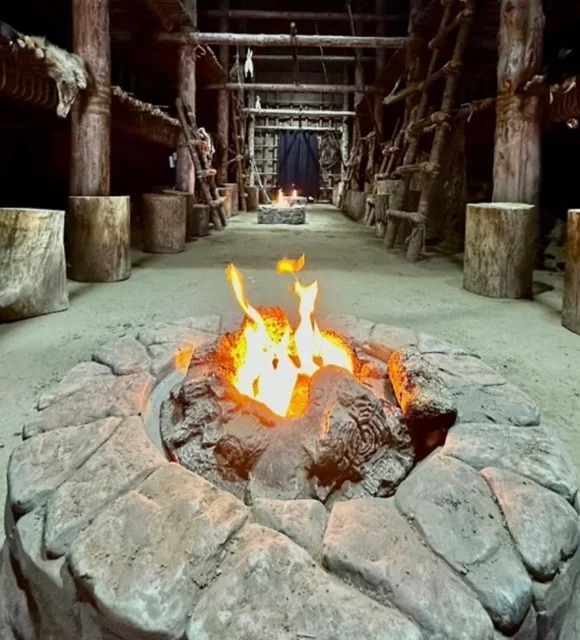
In Wendake, the Hôtel-Musée Premières Nations, the Huron-Wendat Museum, and the experiences offered locally make it possible to discover a contemporary nation through its history, voices, and cuisine.
The longhouse and the stories shared there provide points of reference, but the visit should not freeze the culture in the past. Wendake is a living territory, with its institutions, artists, businesses, and its own ways of telling its history.
Fat biking and frozen landscapes around Quebec City
Around Lake Delage and in nearby natural areas, fat biking lets you ride on snowy trails thanks to its wide tires. The activity remains physical and depends greatly on snow quality: choosing a suitable route and following the rental company's recommendations helps avoid turning the outing into a trial.
Frozen lakes require absolute caution. Their appearance is never enough to guarantee their strength; you should only access surfaces officially open and monitored by local operators.
Old Quebec under its white blanket
The ramparts, sloping streets, and snow-covered roofs give Old Quebec a particularly powerful atmosphere. Dufferin Terrace, Petit-Champlain, and the views over the Saint Lawrence are best explored on foot, provided you plan for good shoes and regular breaks.
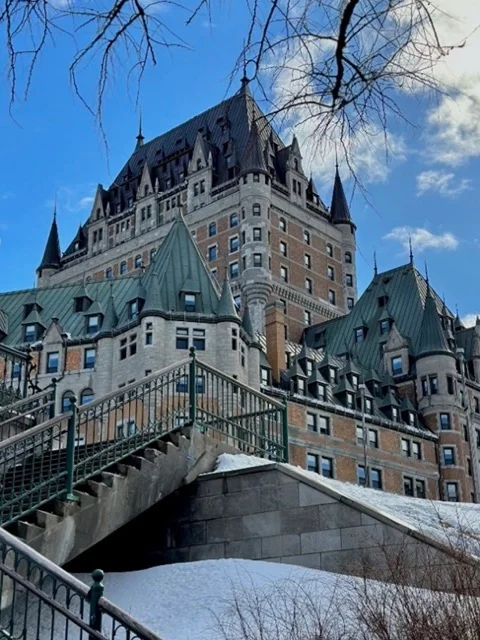
The Château Frontenac still dominates the city. Whether you stay there or simply admire it from the terrace, it remains the essential landmark of this final stop.
Preparing a winter road trip in Quebec
- Car: choose a vehicle equipped for winter and adapt each drive to road conditions.
- Clothing: layer breathable fabric, insulation, and wind protection; protect your hands, feet, and face especially.
- Schedule: leave room for storms, closures, and longer travel times.
- Activities: book guides and equipment, then reconfirm the day before according to the weather.
- Safety: never go onto a frozen lake or a closed trail without explicit authorization.
A week to get to know Quebec winter
This itinerary is not about piling up kilometers. It alternates between cities, physical activities, quiet nights, and encounters that place each landscape back in its history.
Quebec winter can be demanding, but that is precisely what makes the trip memorable. Properly prepared, you no longer endure the cold: you discover a different way to walk, drive, reconnect, and inhabit time.